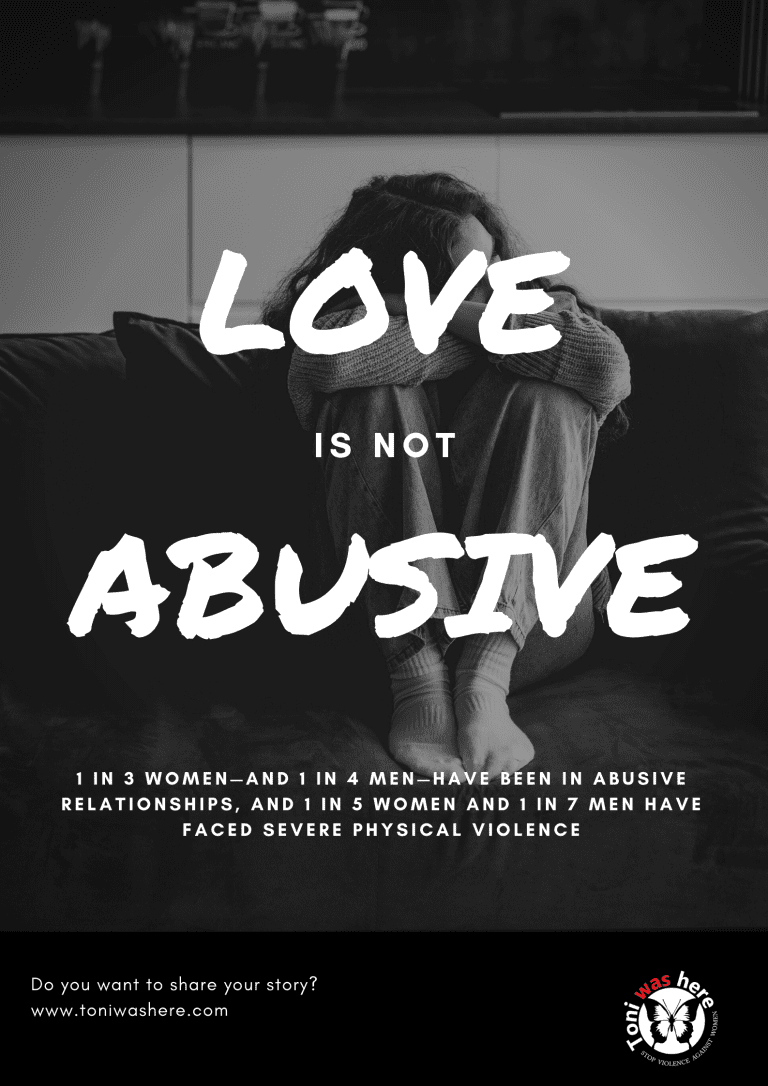
Gender has become such a loaded and loathed word over the years. It can get confusing and is often associated with extremist left wing nuts who take things overboard, and bombard society with ideas that it is not ready for.
So, in planning my mission, I thought a lot about how to position my message, what words to use and what may I can do to put my message across in the most impactful way. In trying to explain what gender-based violence is, I needed to define the term and what it means.
What is Gender-based Violence?
Breaking the word down to fully understand what is Gender-Based Violence in 2022.

In my research I came across many different terms used to describe the overarching issue of gender-based violence. It essentially means that violence is directed toward someone because of their gender – and to call a spade a spade – it means that if you are not a heterosexual man, then you are at risk of GBV. It is of course a bit more complicated than that but understanding this basic idea is a good start.

So… what is gender, and how is it different from sex?
The dictionary definition
Sex (noun)
The state of being male or female
– Oxford Learner’s Dictionary, n.d.
Sex refers to the different biological sexual characteristics of males and females, including chromosomal differences, as well as hormonal and reproductive organ differences.
Sex is mostly binary, male or female, but there are rare occurrences of intersex people who display both male and female sex characteristics to varying degrees
Gender (Noun)
The fact of being male or female, especially when considered with reference to social and cultural differences, rather than differences in biology; members of a particular gender as a group… The term gender is also used more broadly to mean a range of identities that do not necessarily fit in with the usual division between male and female.
– Oxford Learner’s Dictionary, n.d.
Sex can be thought of as the outline of a picture and Gender can be thought of as how the picture is coloured in below.
1. Sex

2. Gender

Stereotypical examples of Females and Males.
Biological sex examples
| Females | Males |
|---|---|
| Genetic differences Hormonal differences Reproductive Organ differences | Genetic differences Hormonal difference Reproductive organ differences |
| Female reproductive characteristics, including primary sexual characteristics like a uterus and vagina, as well as secondary sexual characteristics such as breast development and menstruation which are largely influenced by a woman’s natural production of hormones. | Male sex refers to the biological traits of males. This includes reproductive organs and characteristics, including primary sexual characteristics like a penis and testicles, as well as secondary sexual characteristics such as facial hair and voice depth. Development of secondary sexual characteristics is largely influenced by a man’s natural production of hormones. |
Stereotypical Gender Examples
| Women | Men |
|---|---|
| Look like a lady: Long hairPink clothingFrills and laceWears make-upHas long painted fingernails | Look like a man: Short hairBlue clothingTies and cufflinks Uses face cream if he remembersHas short natural fingernails |
| Act like a lady: SubmissiveConservativeFragileCaregiver | Act like a man: AssertiveIndependentAggressiveProvider |
| Family structure: Mother Grandmother Sister Daughter Wife Aunt | Family structure: Father Grandfather Brother Son Husband Uncle |
| Sexually interested in men only | Sexually interested in women only |
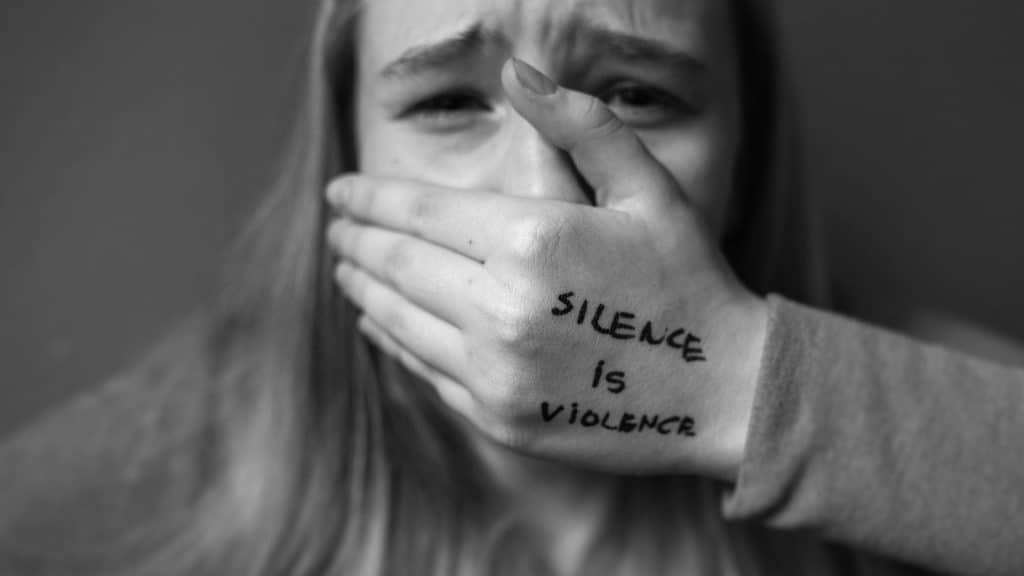

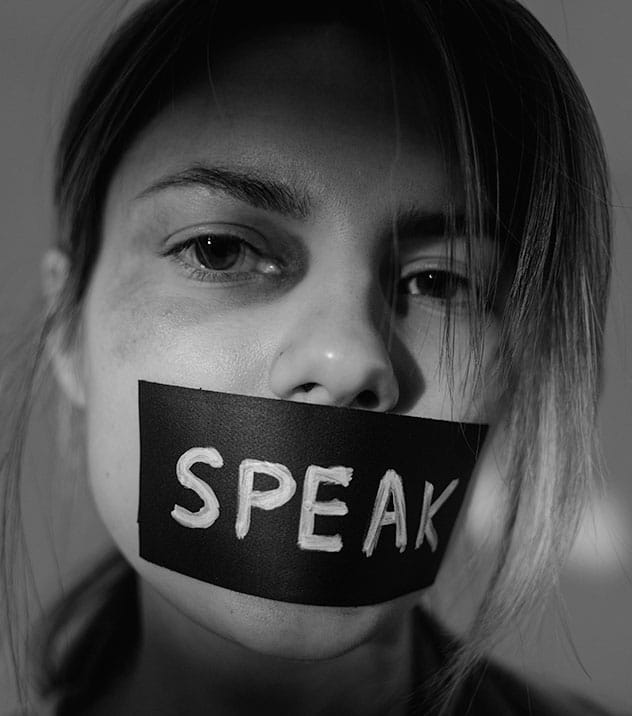
.
Victims of gender-based violence can be thought of as not fitting neatly into the stereotypical definition of male sex AND gender
Women and girls are typically the victims of gender-based violence, however those in the LGBTQI+ community, as well as children are included in the definition of ‘gender’ in the context of GBV.
Children are included because they don’t fit the criteria of having primary or secondary characteristics that define a man. They are also included because they learn behaviour which becomes normal to them, they see what happens at home and around them, and either become violent as a perpetrator, or to accept violence as a victim.
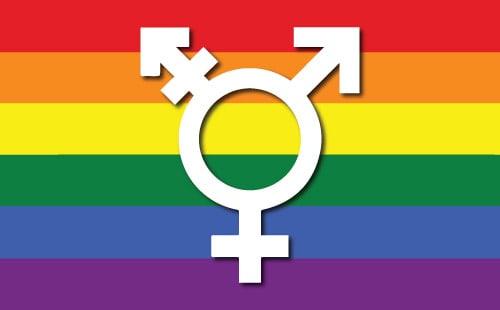
The LGBTQI+ community are targeted for violence because they fall somewhere between the lines that define men and women – they do not fit into one box or the other, and so are targeted based on their gender.
The problem with using the term ‘gender-based violence’
Gender-based violence is a nice term because it encompasses the problems across varying groups and it is useful in a theoretical space, but it is perhaps not the one that is the most to-the-point and impactful in creating social change.
One problem is that it takes the ownership of the crime away from the perpetrator. Using the term gender implies that people who fall into that category need to fix the problem. Those people with ‘the gender’ should take care of it. Plus, gender can be a confusing term.
Men’s violence against women and girls
There have been advocates for using the term “men’s violence against women and girls” as a more impactful term on the narrative of the issue in society. This term provides a clear perpetrator and a clear victim and enables us to better focus our thoughts on how to solve the problem, it puts the onus on men to change their behaviour towards women.

What do you think about the terms used to describe this social issue, should GBV be used which includes more victims in the definition? Or should a term like “men’s violence against women” be used which identifies a perpetrator?